
Exploring the emotional rollercoaster of gambling What you need to know
Exploring the emotional rollercoaster of gambling What you need to know
The Thrill of Winning
The allure of gambling often begins with the intoxicating thrill of winning. When a player strikes it lucky, an adrenaline rush floods the body, creating an exhilarating sense of achievement. This high is not just emotional; it’s physiological. Dopamine, the brain’s reward chemical, surges, reinforcing the behavior and making the gambler crave more. This cycle can quickly lead to a pattern where individuals chase that initial high, often disregarding the risks involved. In fact, many players are drawn to the best uk non GamStop casinos to continue this pursuit.
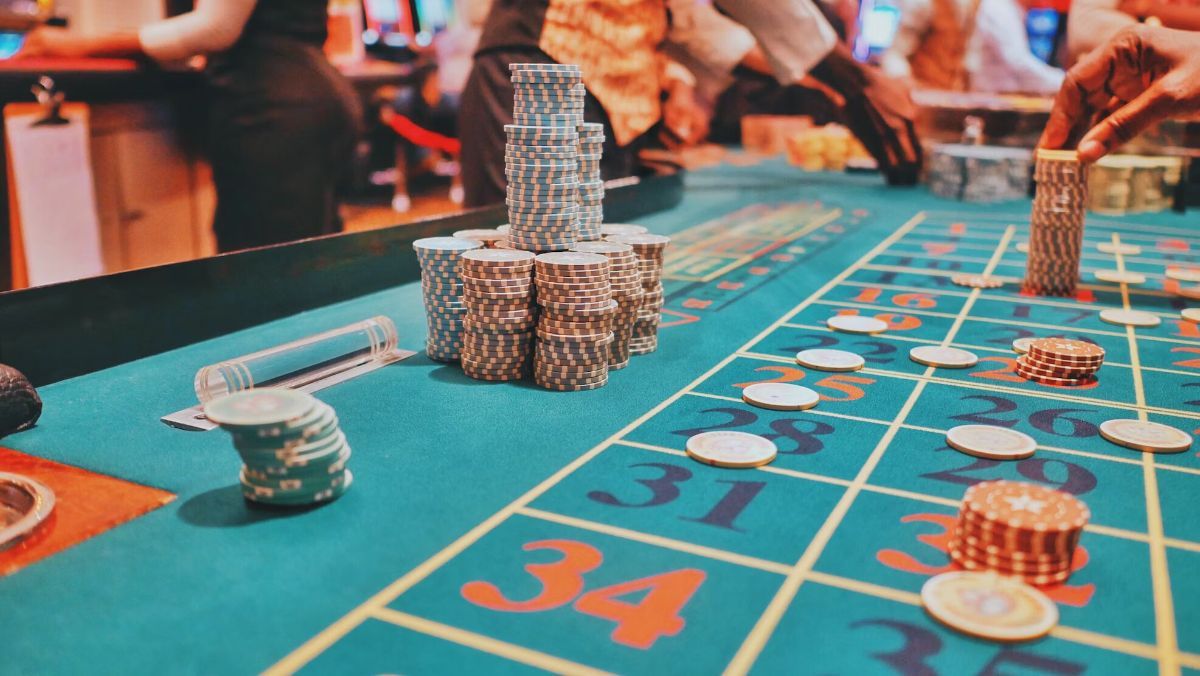
However, the emotional high is usually fleeting. Many gamblers find themselves grappling with the subsequent lows after the initial win fades. This fluctuation between highs and lows creates a volatile emotional landscape, leaving players feeling elated one moment and dejected the next. Understanding this dynamic is crucial for anyone considering engaging in gambling activities.
The Fear of Loss
Alongside the excitement of potential winnings lies the fear of loss, which can be equally powerful. Many gamblers experience anxiety about losing their stakes, which can overshadow the thrill of playing. This fear can lead to desperate measures, such as chasing losses, where individuals continue to gamble in hopes of recouping what they’ve lost. This behavior often leads to deeper financial troubles and emotional distress.
Furthermore, the fear of loss can lead to a cycle of compulsive gambling, where the desire to avoid losing becomes stronger than the initial thrill of winning. This phenomenon can trap players in a continuous loop of hope and disappointment, making it difficult to recognize when it’s time to walk away. Awareness of this fear is vital for maintaining a balanced perspective on gambling.
Social Influences and Peer Pressure
The social aspect of gambling cannot be overlooked. Many individuals are introduced to gambling through friends or family, often feeling pressured to participate in social settings. This can amplify the emotional rollercoaster, as the stakes are not only financial but also social. Winning might bring a sense of belonging, while losing could result in feelings of shame or exclusion.
Additionally, the normalization of gambling in various cultures can skew perceptions about its risks. When gambling is seen as a fun activity, it can diminish the seriousness of its potential consequences. Understanding the role of social influences can help individuals navigate their experiences and make more informed decisions about gambling.
Managing Expectations and Reality
A significant factor contributing to the emotional rollercoaster of gambling is the gap between expectations and reality. Many gamblers enter the game with unrealistic expectations, believing they can consistently win or that they have a system that guarantees success. This mindset can lead to disappointment when reality does not align with these expectations.
Recognizing that gambling is largely a game of chance can help mitigate emotional turmoil. Accepting that losses are part of the process allows players to approach gambling with a healthier mindset. This perspective can lead to a more enjoyable experience and reduce the potential for emotional distress associated with gambling.

Resources and Support for Gamblers
For those navigating the emotional ups and downs of gambling, seeking support is crucial. Many resources are available, including counseling services and support groups that can provide guidance and understanding. These platforms can help individuals recognize their patterns and develop healthier approaches to gambling.
Ultimately, understanding the emotional rollercoaster of gambling is essential for anyone who chooses to participate. By acknowledging the highs and lows, as well as the social and psychological factors involved, gamblers can take more informed steps toward managing their experiences. It is vital to remember that help is always available for those who need it.